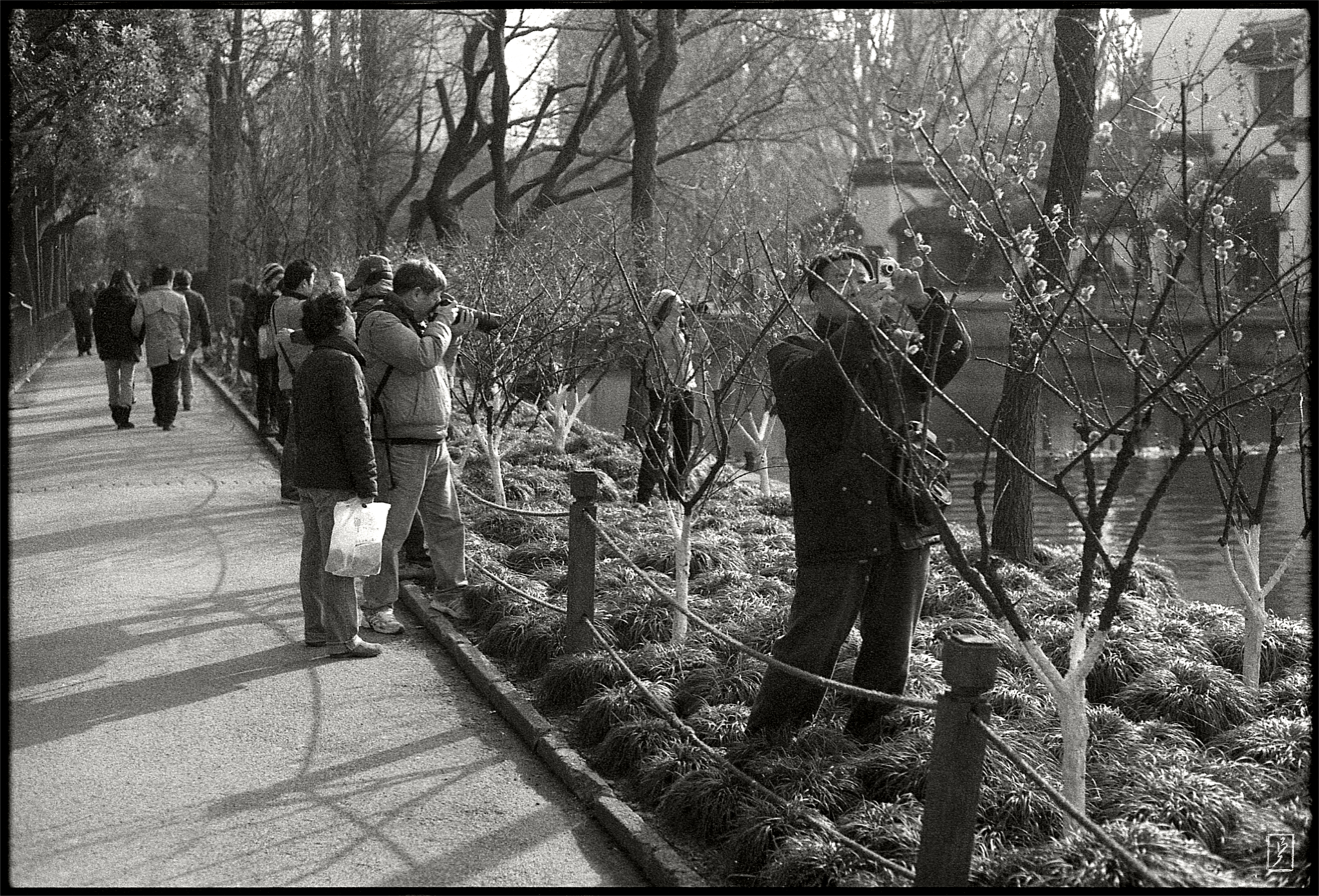
Springtime

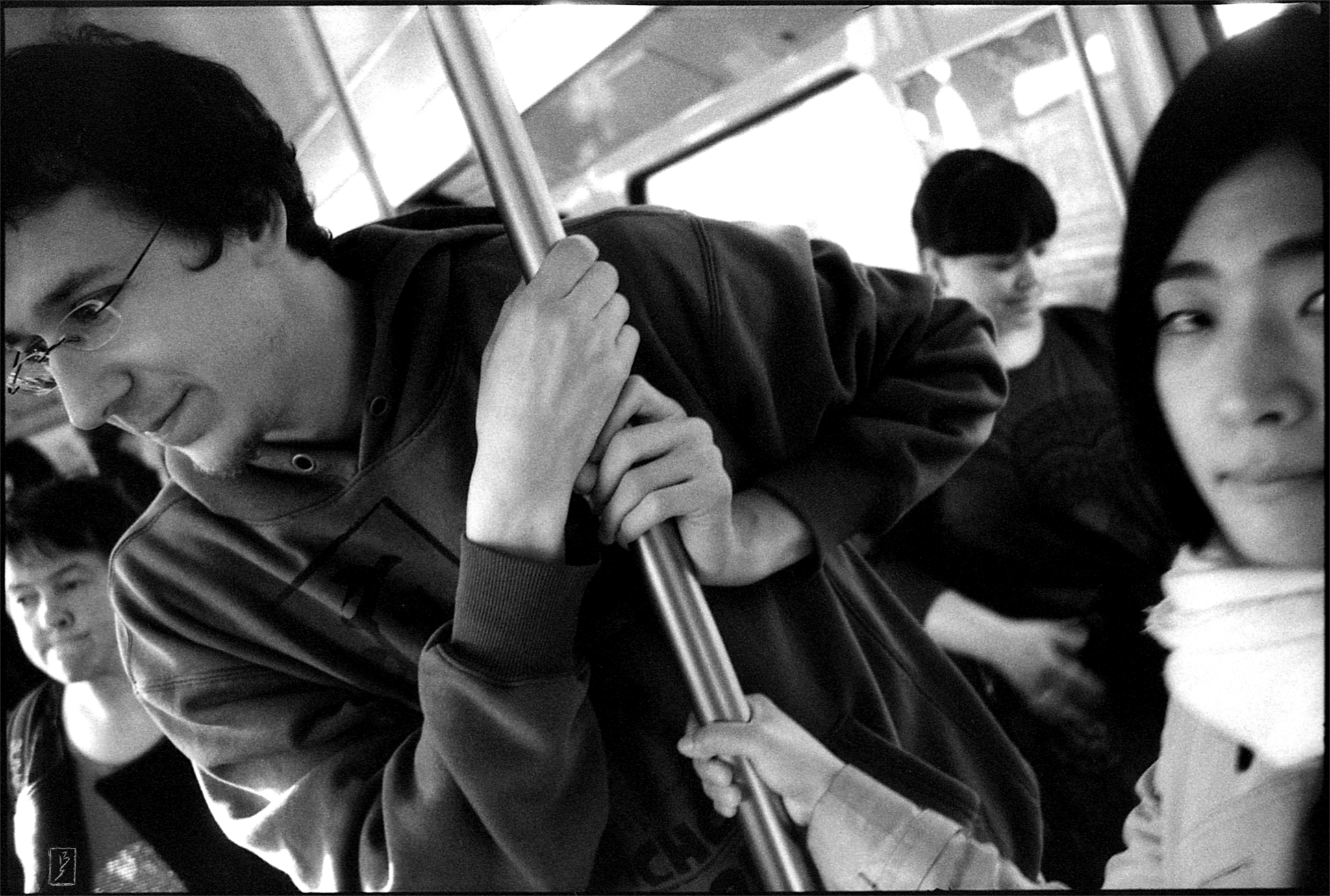

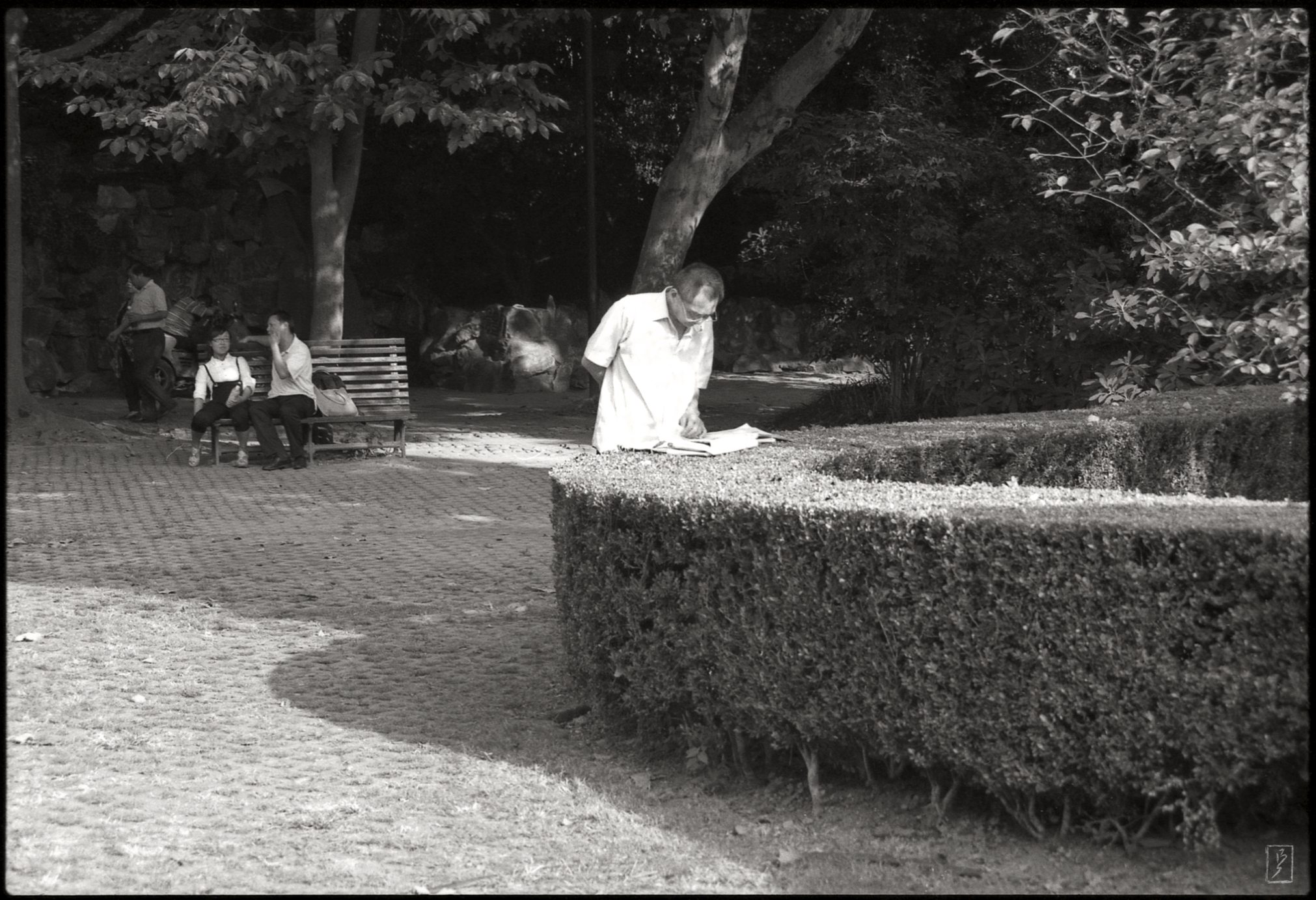
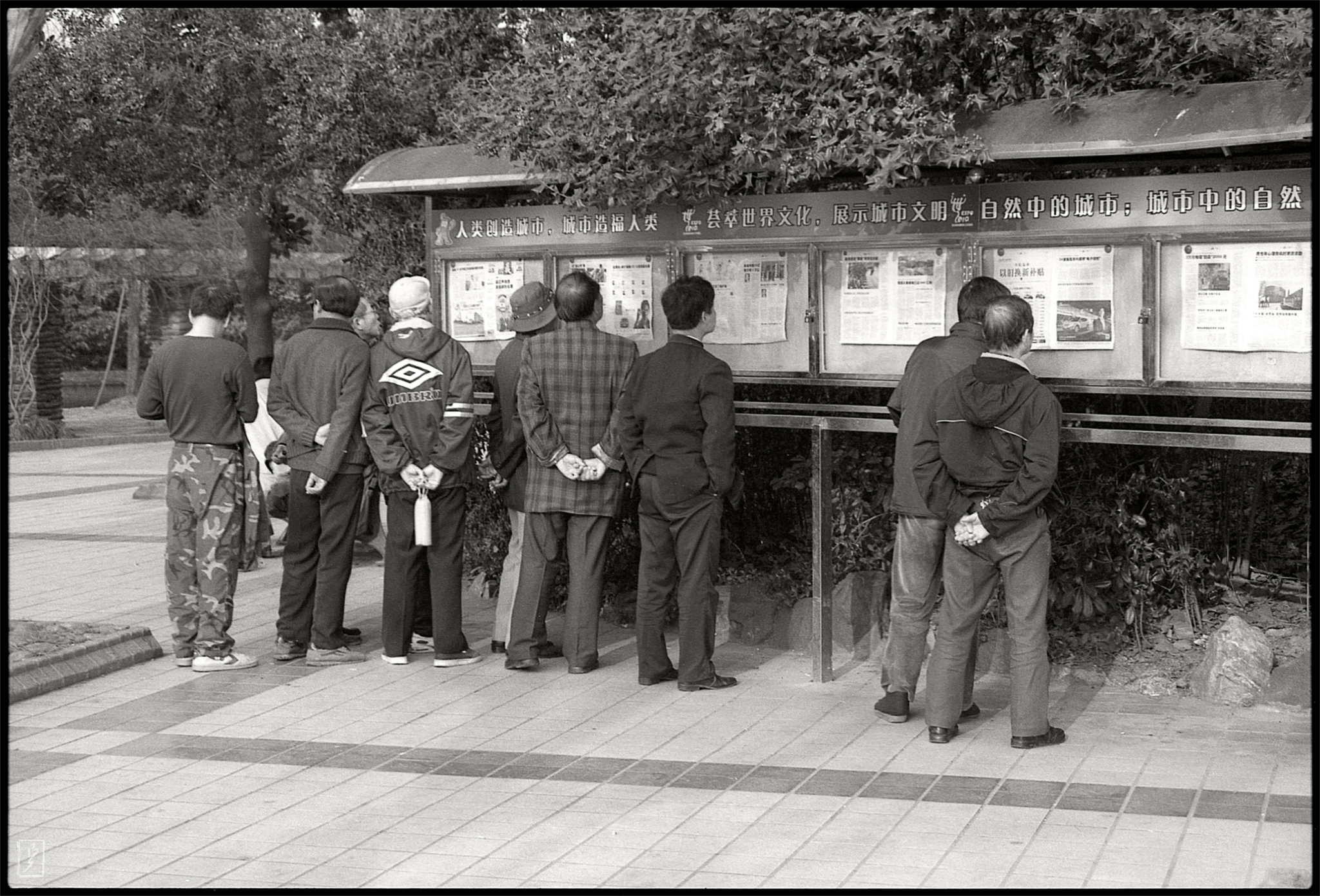
The first few shots from the little “Rollei 35” that had to undergo repairs earlier this year. This camera is only the size of a pack of cigarettes (or the size of a smartphone?), so I can take it with me everywhere I go. Still it is a fully mechanical and thus fully manual marvel of (German) engineering. It also uses normal 35mm film, so the pictures fit right in with the ones I usually take.
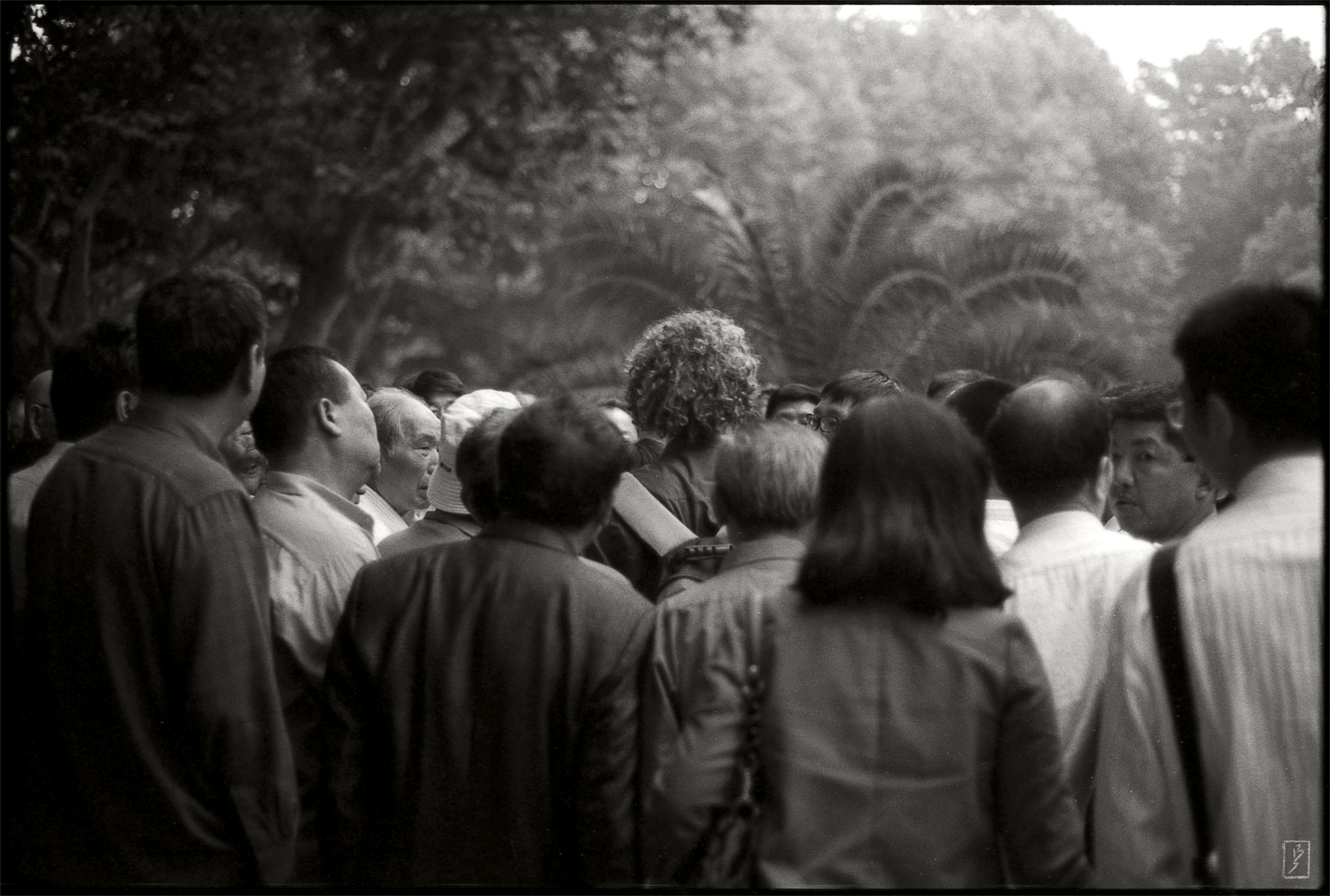
“Laowai” is a word that you can still hear on the streets of Shanghai — if you’re a foreigner and you venture into the more remote parts of the city.
Originally it denoted someone nonprofessional, or a layman, literally meaning an “outsider”, someone who doesn’t understand the trade. Today it is mostly used to label a foreigner, and in more remote parts of China (or even very rarely in Shanghai) you can still encounter children scream it, the moment you pass them on the street. This is usually meant in a jocular way and accompanied by wide-eyed staring and friendly curiosity, especially if your appearance is sufficiently outlandish (blonde or curly hair, a long beard, “funny clothes”, glasses like Harry Potter etc.)
Of course this gets less and less over the years, as more and more Chinese get used to see people from foreign countries, even more so in cities like Shanghai and Beijing, which are practically overrun with foreigners like me.
Still I feel it is a commendable way to react to the unknown, with genuine suprise but also genuine curiosity and interest.
Many of the foreigners who come to China could learn from this, most of them preferring to stay in their safe compounds and shopping malls instead and thus missing out on the chance of beeing called a “laowai”.
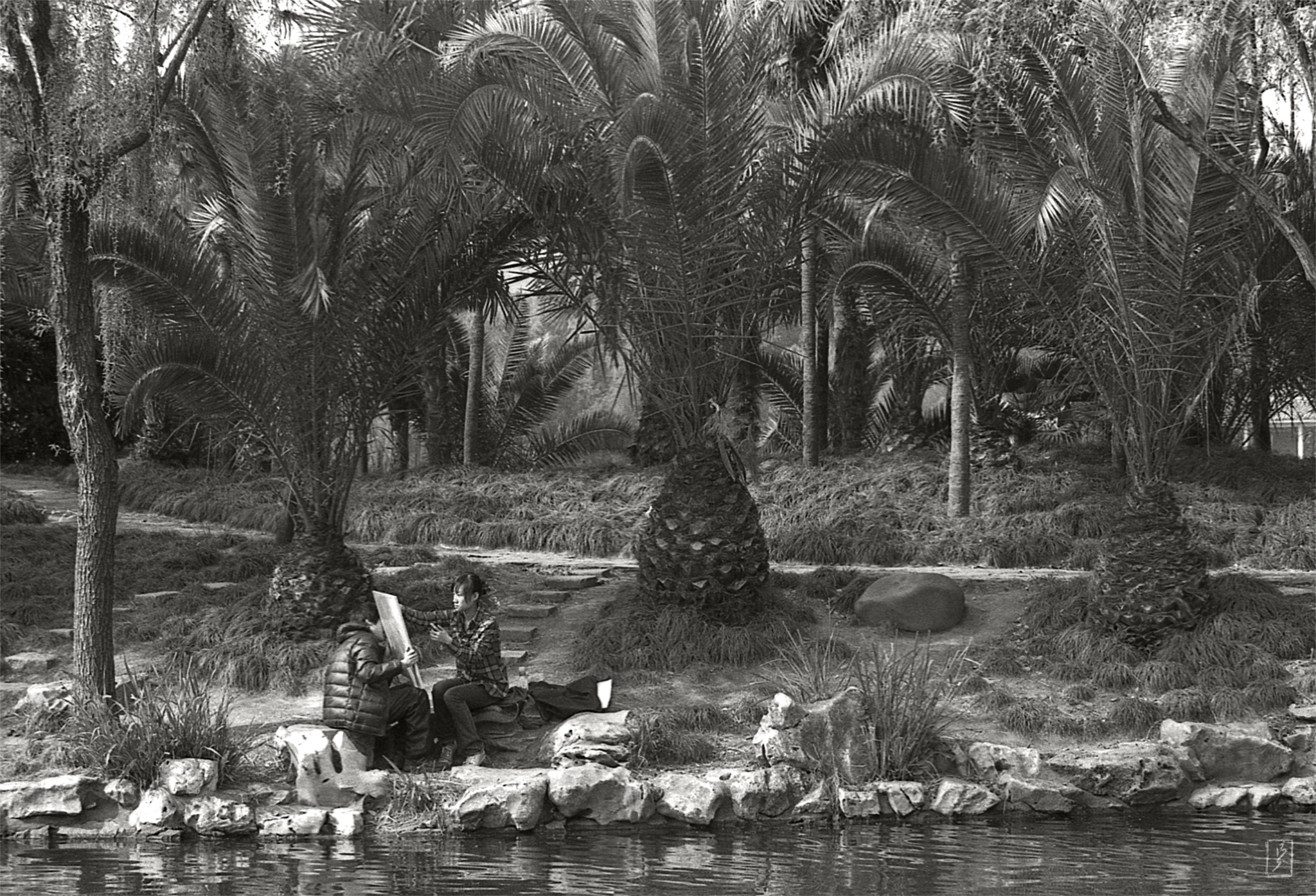
… this time somewhat more casually.
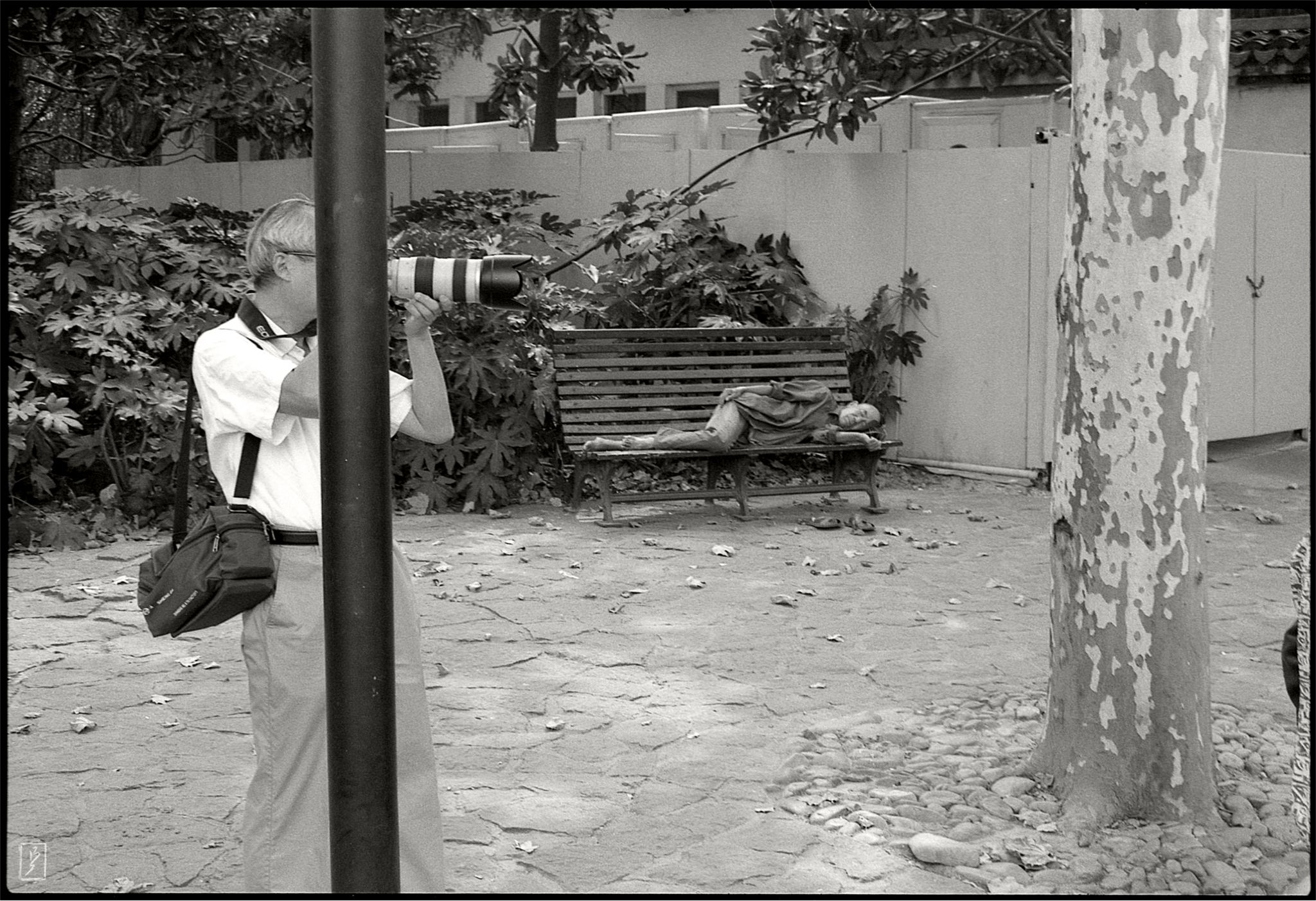
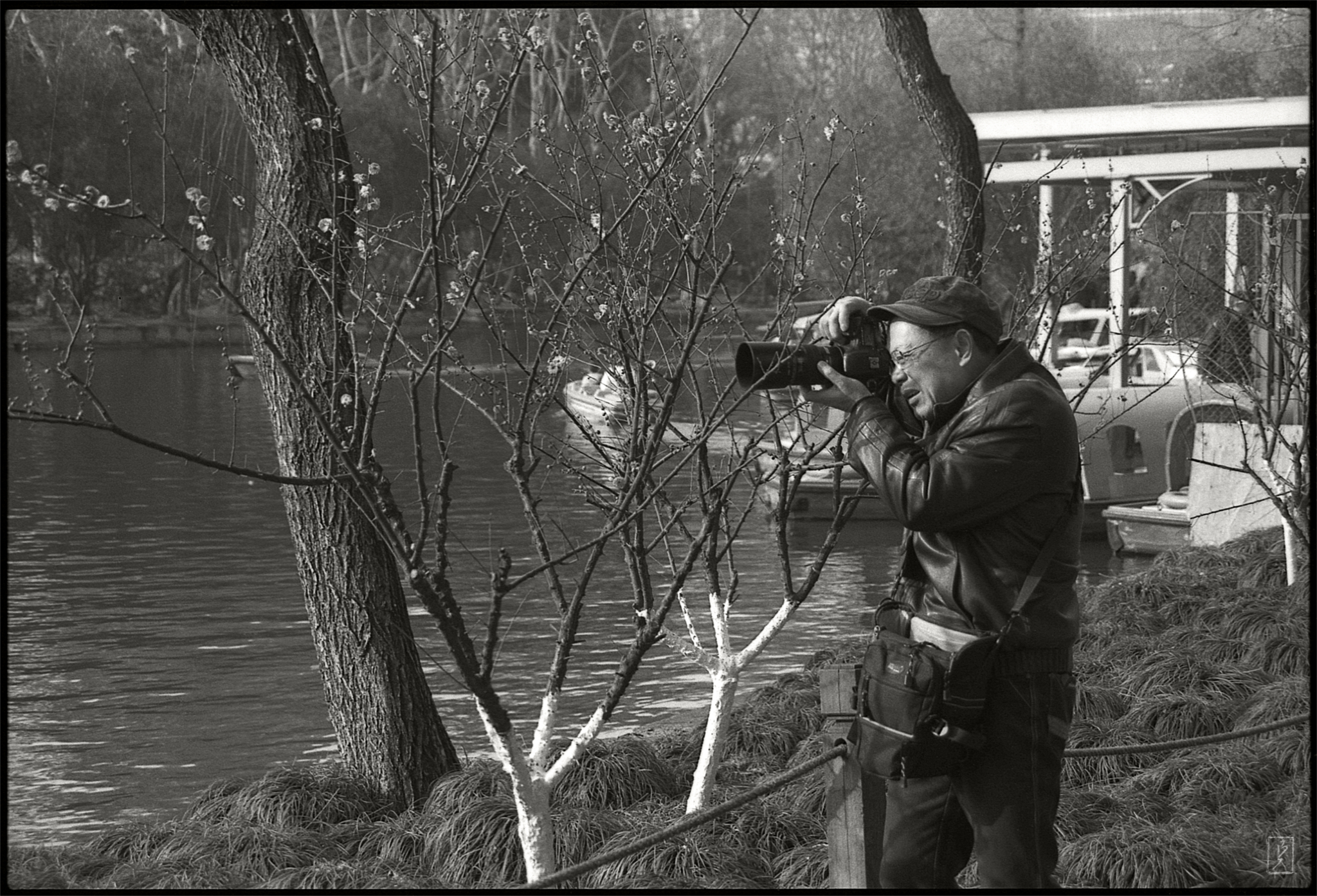
Naturally I was not the only photographer in the parks, as photography is a popular hobby in China.